
Friday Pause: Rest, Reset, Digest – A Somatic Path to Healing
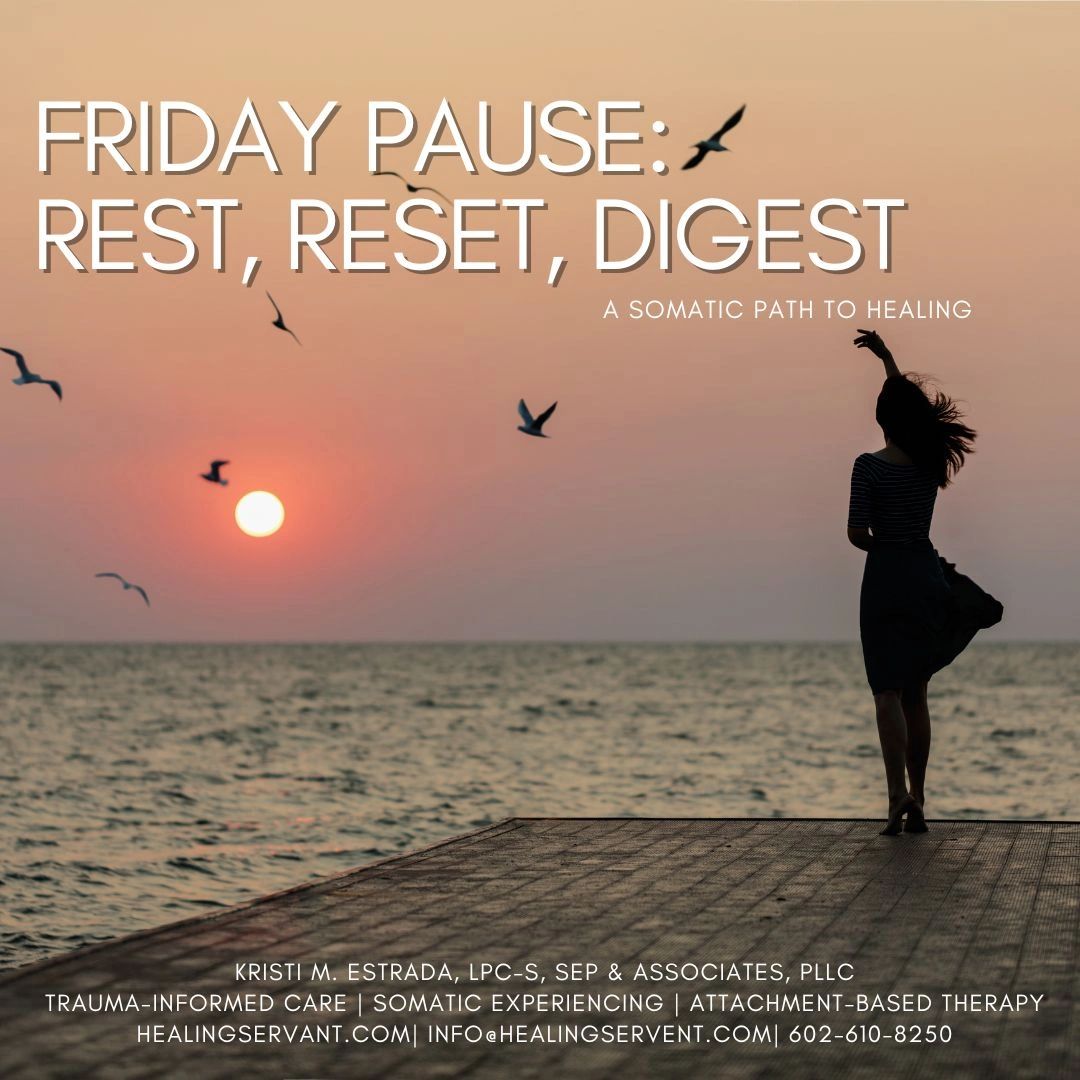
In a world that hums with urgency, where calendars overflow and notifications ping, finding a moment to simply be can feel like a radical act. Yet, your body and heart crave this pause—a chance to rest, reset, and digest the weight of life’s experiences. Welcome to Friday Pause: Rest, Reset, Digest, a weekly sanctuary where we explore somatic and attachment-based tools to nurture your healing journey. Each Friday, we’ll share a practice to help you soften into safety, reconnect with your body’s wisdom, and create space for growth.
Imagine stepping into a quiet clearing in a forest, where sunlight filters through leaves and the earth breathes beneath you. There’s no rush here, no demand to perform. This is the essence of Friday Pause—a gentle invitation to slow down and listen to what your body and heart need. Today, we begin with rest, the cornerstone of healing. In this blog, you’ll discover why rest matters, how it weaves together somatic and attachment principles, and how to practice it in a way that feels safe and accessible. Let’s take this first step together.
What Is the Friday Pause?
Friday Pause: Rest, Reset, Digest is a weekly series designed to support you with trauma-informed, somatic, and attachment-based practices. It’s a moment carved out of your week to honor your body’s need for ease and your heart’s longing for connection. The phrase “Rest, Reset, Digest” captures the heart of this work:
- Rest: A somatic practice that calms your nervous system, inviting the “rest and digest” state where healing unfolds.
- Reset: A release of tension and old patterns, creating space for clarity and renewal.
- Digest: A gentle process of integrating emotions, experiences, and insights in a safe, grounded way.
These practices are simple yet profound, designed to meet you where you are—whether you’re navigating stress, trauma, or simply seeking a deeper connection with yourself. As a counselor rooted in somatic and attachment-based therapy, I believe healing begins when we feel safe enough to pause. Friday Pause is your invitation to do just that, week after week.
Why Rest Matters for Healing
Rest is more than a luxury; it’s a biological and emotional necessity. When you rest, your body shifts from the fight-or-flight mode of the sympathetic nervous system to the calming “rest and digest” state of the parasympathetic nervous system. This shift lowers cortisol levels, reduces heart rate, and allows your body to repair and restore. According to Harvard Health, just 20 minutes of deep relaxation can significantly decrease stress markers, paving the way for mental and physical healing.
From an attachment perspective, rest is an act of trust. When you feel safe enough to pause—whether in your own presence or with supportive relationships—you build secure internal connections. This safety is the foundation of growth, allowing you to process emotions and experiences without overwhelm. Yet, for many, rest feels elusive. Societal pressures to “keep going” or trauma-related hypervigilance can make pausing feel unsafe. If this resonates, know that you’re not alone, and rest can be learned, one gentle step at a time.
Rest also helps you digest life’s experiences. Just as your body breaks down food, your mind and heart need space to process joy, grief, or change. Without rest, emotions can pile up, leading to burnout or disconnection. By prioritizing rest, you create room to integrate your story, fostering resilience and self-compassion. Curious about how rest can transform your healing? Schedule a session to explore this in a safe, personalized space.
The Somatic and Attachment Foundations of Friday Pause
Somatic healing is about listening to your body’s wisdom. Unlike talk therapy alone, somatic therapy tunes into physical sensations—tight shoulders, a racing heart, or a warm chest—to regulate the nervous system. When you rest, you allow your body to release stored tension and return to balance. As Dr. Bessel van der Kolk explains in The Body Keeps the Score (learn more), trauma lives in the body, and somatic practices like rest help us reclaim safety and presence.
Attachment-based therapy, on the other hand, focuses on building secure connections—with yourself and others. Rest plays a key role here, as it requires feeling safe enough to let go. Think of rest as a warm blanket for your nervous system, signaling that it’s okay to soften. Friday Pause blends these approaches, using rest to calm your body (somatic) and foster trust in your own presence (attachment). This integration creates a powerful foundation for healing, as you learn to hold yourself with the same care you might seek from a loved one.
Want to dive deeper into this approach? Explore my somatic and attachment-based counseling methods to see how they can support your journey.
A Guided Practice: Resting with Intention
Let’s try a trauma-informed practice to help you rest, reset, and digest. This exercise is adaptable, so feel free to modify it to suit your needs. If rest feels hard, know that even a single breath is a brave step toward healing.
- Settle In: Find a comfortable position—sitting, lying down, or leaning against a wall. If you like, wrap yourself in a blanket or rest on a cushion to signal safety to your body. If you’re in a busy space, like a car or office, know that rest can still meet you there.
- Anchor with Touch: Gently place one hand on your chest and the other on your belly. Feel the warmth of your hands, a reminder of your own care. If touch feels overwhelming, rest your hands in your lap or imagine a soft light in those areas.
- Breathe Slowly: Take 5–10 slow, deep breaths. Notice the rise and fall of your chest and belly, like gentle waves. If your mind wanders, softly guide it back to your breath. There’s no need to force anything.
- Listen Inward: Ask yourself, What feels restful right now? It might be a physical sensation, like warmth in your hands, or a small action, like sipping water or closing your eyes. Let your body lead, without judgment.
- Reflect with Care: In your mind or a journal, ask, What helps me feel safe enough to rest? Perhaps it’s a quiet room, a memory of a loved one, or the thought that you’re enough as you are. Let this question be a gentle seed, not a demand.
If rest feels challenging, that’s okay. Some days, rest is simply noticing the longing for it. You can return to this practice anytime. For more somatic tools, check out our resource library or try a guided relaxation on Insight Timer.
Overcoming Barriers to Rest
Rest can feel like a foreign language for many. Trauma, perfectionism, or cultural norms that glorify “hustle” can make pausing feel unsafe or unproductive. If you’ve ever thought, “I don’t have time to rest” or “I’ll rest when I’m done,” you’re not alone. These barriers often stem from old patterns or survival strategies, and meeting them with compassion is the first step.
Here are some trauma-informed tips to ease into rest:
- Start Small: Begin with 30 seconds of noticing your breath or feeling your feet on the ground. Small moments of rest add up.
- Create Safety: Dim the lights, play soft music, or cuddle with a pet to signal safety to your nervous system.
- Use Co-Regulation: Imagine a supportive person, animal, or even a memory that feels calming. This can help your body relax.
- Reframe Rest: Instead of “laziness,” see rest as a powerful act of self-care and healing.
If rest feels particularly hard, explore Polyvagal Theory to understand how your nervous system responds to safety and stress. You can also read our guide on embracing self-compassion for more tools to soften these barriers.
How Friday Pause Supports Your Healing Journey
Friday Pause is more than a weekly practice—it’s a consistent ritual to anchor your healing. By pausing each Friday, you’ll cultivate:
- Reduced Stress: Regular rest lowers cortisol and calms the nervous system.
- Deeper Self-Awareness: Tuning into your body fosters clarity and connection.
- Stronger Connections: Rest builds trust in yourself and your relationships.
Each week, we’ll share a new tool to help you rest, reset, and digest life’s experiences. Whether you’re navigating anxiety, healing from trauma, or seeking balance, Friday Pause is here to support you. Ready to take the next step? Book a session to explore how rest can transform your healing in a safe, held space.
Conclusion: Your Invitation to Pause
Friday Pause: Rest, Reset, Digest is your open invitation to slow down, listen to your body, and honor your heart’s need for rest. Healing doesn’t require perfection—it begins with one gentle pause, one breath, one moment of saying, “I’m allowed to rest.” Try the practice above today, and join us next Friday for a new tool to nurture your journey.
What’s one small way you can offer yourself rest this week? Maybe it’s turning off your phone for a few minutes, savoring a warm drink, or whispering, “I’m enough.” Share your word or phrase for rest in the comments on our social post or email me—I’d love to hear from you. You’re not alone in this journey, and every pause is a step toward healing.
For more inspiration, explore our Friday Pause series.
FAQ: Your Questions Answered
What is the Friday Pause series?
Friday Pause: Rest, Reset, Digest is a weekly series offering somatic and attachment-based practices to help you rest, regulate your nervous system, and process emotions in a safe way.
How does rest help my nervous system?
Rest activates the parasympathetic nervous system, promoting the “rest and digest” state that reduces stress and supports healing.
What if I find it hard to rest?
Rest can feel challenging due to trauma or societal pressures. Start small, create a safe environment, and be gentle with yourself. Therapy can help—reach out.
How can somatic therapy support my healing?
Somatic therapy helps you tune into your body’s sensations to release tension and build safety, complementing practices like Friday Pause. Learn more about my approach.
Kristi M. Estrada, LPC-S, NCC, SEP, founder of Healing Servant (formerly Alliance Coaching and Counseling Group) (Phoenix, AZ, since 2015), I’m a compassionate somatic therapist and trauma-informed advocate. With over 30 years of experience in child welfare, foster care, and human trafficking, I specialize in Trauma Restorative Care™, blending somatic and attachment-based therapies to help you heal and reclaim joy. A lifelong learner with certifications in Somatic Experiencing and Trauma Stress Studies, I mentor therapists, speak on trauma recovery, and advocate for vulnerable communities. Let’s walk together toward your healing—contact me for a free consultation www.healingservant.com