
David Was Loved by God — and Still Unsafe at Times
David Was Loved by God — and Still Unsafe at Times
What attachment theory helps us see that faith alone does not fix
There is a quiet relief in realizing that someone can be deeply loved by God and still struggle to be emotionally safe.
That relief matters more than we admit.
When we talk about King David, we often jump straight to the big headlines.
The giant-slayer.
The worshipper.
The man after God’s own heart.
But Scripture does something far more honest than turning David into a hero.
It lets us see his family.
And when we look at David through the lens of attachment and family systems, a different picture emerges. Not one of condemnation, but one of recognition.
Want the visual map?
I created a trauma-informed genogram that tracks David’s family system across generations, including attachment themes, family roles, ruptures, and where repair was delayed.
→ Check out: David’s Family System: A Trauma-Informed Genogram
If you’re someone who learns best by seeing the pattern, this companion post will help.
Series Note
This is Part 1 of a series exploring David’s family system and modern attachment patterns.
Part 2 is coming next: When Power Replaces Regulation (link: paste URL here or “coming soon”)
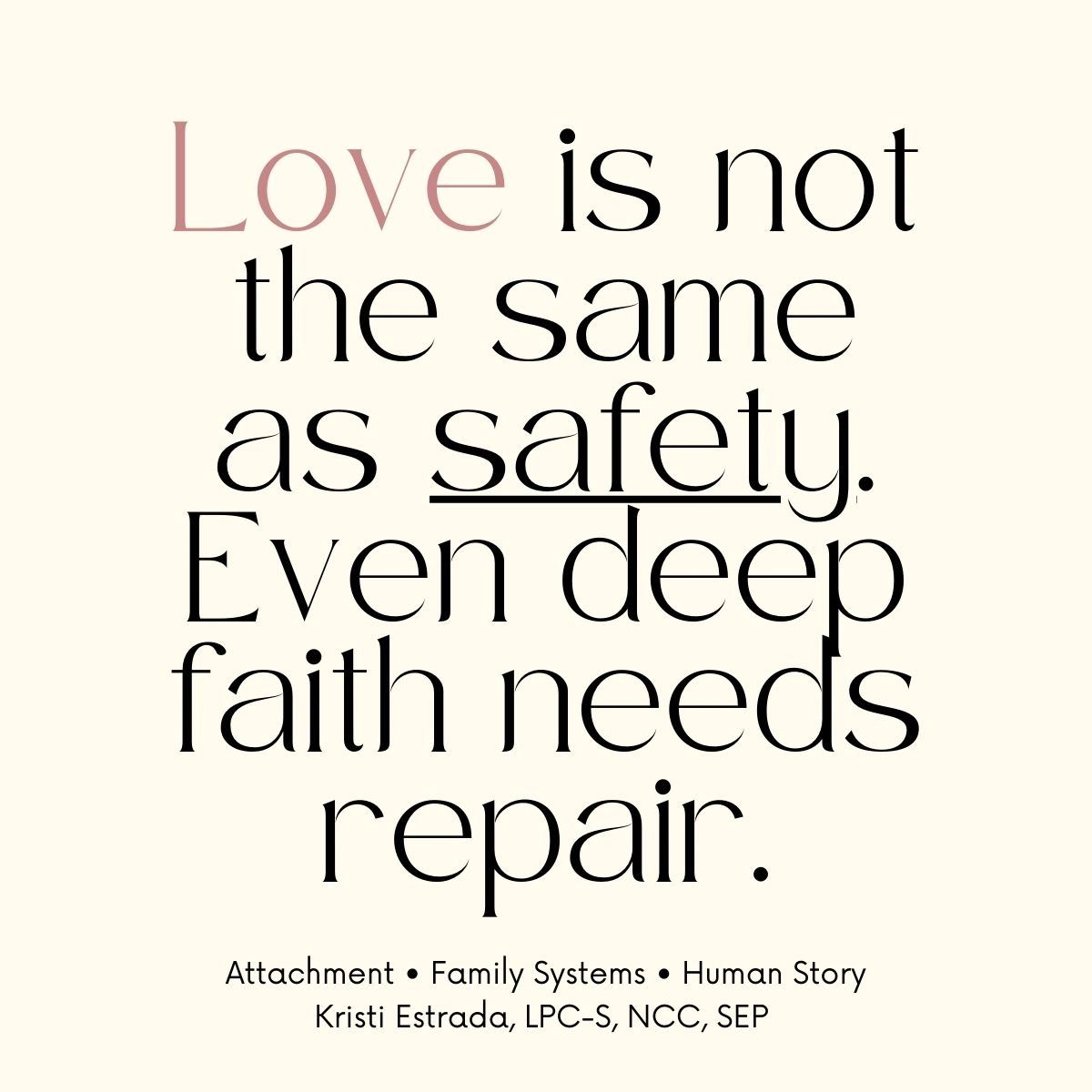
Love Is Not the Same Thing as Safety
David loved God deeply.
He wrote poetry from the depths of his soul.
He repented with sincerity.
He longed for closeness with the Divine.
And yet, inside his own household, closeness was fragile.
From an attachment perspective, David shows us something we see all the time today: love without consistent repair still leaves wounds.
Attachment theory teaches us that safety is not built on intention or belief.
It is built on presence, response, and repair.
You can love your children.
You can value your family.
You can have strong morals and deep faith.
And still struggle to stay emotionally present when things get messy.
David’s Early Story Matters
David grew up as the youngest son, overlooked enough that he wasn’t even called in when a future king was being sought.
That matters.
Early emotional invisibility often shapes adults who become:
- Highly self-reliant
- Spiritually or intellectually deep
- Uncomfortable with dependency
- Prone to withdrawing under shame or conflict
David learned how to survive alone before he learned how to stay present in relational rupture.
That pattern doesn’t disappear when someone becomes powerful.
It often becomes more hidden.
A Familiar Modern Pattern
Today, David would look like someone many of us know.
The parent who:
- Provides well
- Loves deeply
- Prays faithfully
- Shows up in emergencies
But goes quiet when:
- Conflict escalates
- Harm is disclosed
- Shame enters the room
Not because they don’t care.
But because their nervous system learned long ago that withdrawing is safer than confronting.
Attachment theory would call this avoidant coping under stress.
Family systems theory would call it emotional cutoff.
Most families just call it “how things are.”
Here is the hard truth that deepens this for many of us:
When a caregiver cannot tolerate shame or conflict, the whole family often organizes around that limitation, usually by going quiet.
Why This Matters
When leaders, parents, or caregivers cannot tolerate relational discomfort, the system adapts around them.
Silence becomes protection.
Children learn not to ask for repair.
Feelings get carried by the most sensitive or reactive person in the room.
This is not a failure of faith.
It’s a nervous system story.
And the Bible doesn’t hide this.
It tells the truth without rushing to resolution.
A Gentle Question to Sit With
You don’t have to believe the Bible to recognize this pattern.
You’ve likely lived it.
So here’s the invitation, not accusation:
Where in your life are you deeply loving, but quietly unavailable?
And what might become possible if repair mattered as much as belief?
This series will keep unfolding David’s family story, not to judge it, but to understand how wounds travel, how silence shapes systems, and how repair can still interrupt the line.
You are not broken if this resonates.
You are noticing.
And noticing is where repair begins.
This Week’s Porch Reflection
As you think about love in your own life, past or present, notice what comes up around this question:
Where have I felt genuinely loved… but not consistently safe?
There is no need to explain this away or make sense of it.
Simply notice what your body or memory offers.
A Somatic Practice
(Optional, 1–2 minutes)
If it feels okay, try this from wherever you are sitting.
- Let your feet make contact with the floor.
- Notice the weight of your body being held.
- Take one slow breath in, and a longer breath out.
- Quietly remind yourself: “I don’t have to solve this today. I can simply notice.”
That’s it.
No insight required.
No fixing needed.
Next: When Power Replaces Regulation
(link: paste URL here or “coming soon”)
Choose Your Path From Here
- If you want the visual map: David’sGenogram Family System: A Trauma-Informed
- If you want the next teaching: When Power Replaces Regulation, look for it soon!
- If you want to stay with the practice: Return to This Week’s Porch Reflection + Somatic Practice (you can scroll back up)
About the Author
Kristi M. Estrada is a trauma-informed therapist, Somatic Experiencing Practitioner (SEP), and clinical supervisor who writes at the intersection of attachment, nervous system healing, faith, and lived human experience. She is the founder of The Healing Servant Team in Phoenix, Arizona, where she offers attachment-based, somatic, and trauma-restorative care to individuals and families.
Kristi writes Letters from the Porch as a weekly offering for those who are noticing patterns, longing for repair, and learning to live from the inside out.
Kristi’s work is shaped by both professional training and personal story. Raised within complex systems herself, she understands how love, silence, faith, and survival can coexist in the same family line. Her writing and clinical work focus on helping people move beyond self-blame and toward understanding how nervous systems adapt, how wounds travel, and how repair can interrupt what was never named.
Through her blog, teaching, and therapeutic practice, Kristi invites readers to approach their stories with greater kindness, curiosity, and courage, believing that healing does not require perfection, only presence and repair.
You can learn more about her work at healingservant.com.