
Chapter 1: Secure Attachment
Secure is Repair
Secure isn’t perfection— it’s repair.
Most of us hear “secure attachment” and imagine a flawless childhood, a perfectly calm nervous system, or relationships that never get messy.
But secure isn’t a personality type. It’s not cheerfulness. It’s not being “easy.”
Secure is something quieter—and far more reachable:
Attunement.
The felt sense that, most of the time, someone is with you.
And when things go off… they come back.
That’s the part that changes everything.
Because life will always have misattunements.
Tone. Timing. Stress. Distraction. Human moments.
Secure isn’t the absence of rupture.
Secure is the presence of repair.
I think about a moment that could happen in any home.
Two people are moving fast—one carrying the week, one carrying a worry.
A question is asked. A response comes out sharper than intended.
The room tightens. Shoulders rise. Eyes avert. Breath gets small.
And then, something rare happens:
One of them pauses.
Not to win. Not to explain. Not to justify.
Just to come back.
“Hey. That came out sharp. I’m here. I care. Can we restart?”
That sentence is more secure than a thousand perfect conversations.
Because it tells the nervous system: You won’t be left alone in the rupture.
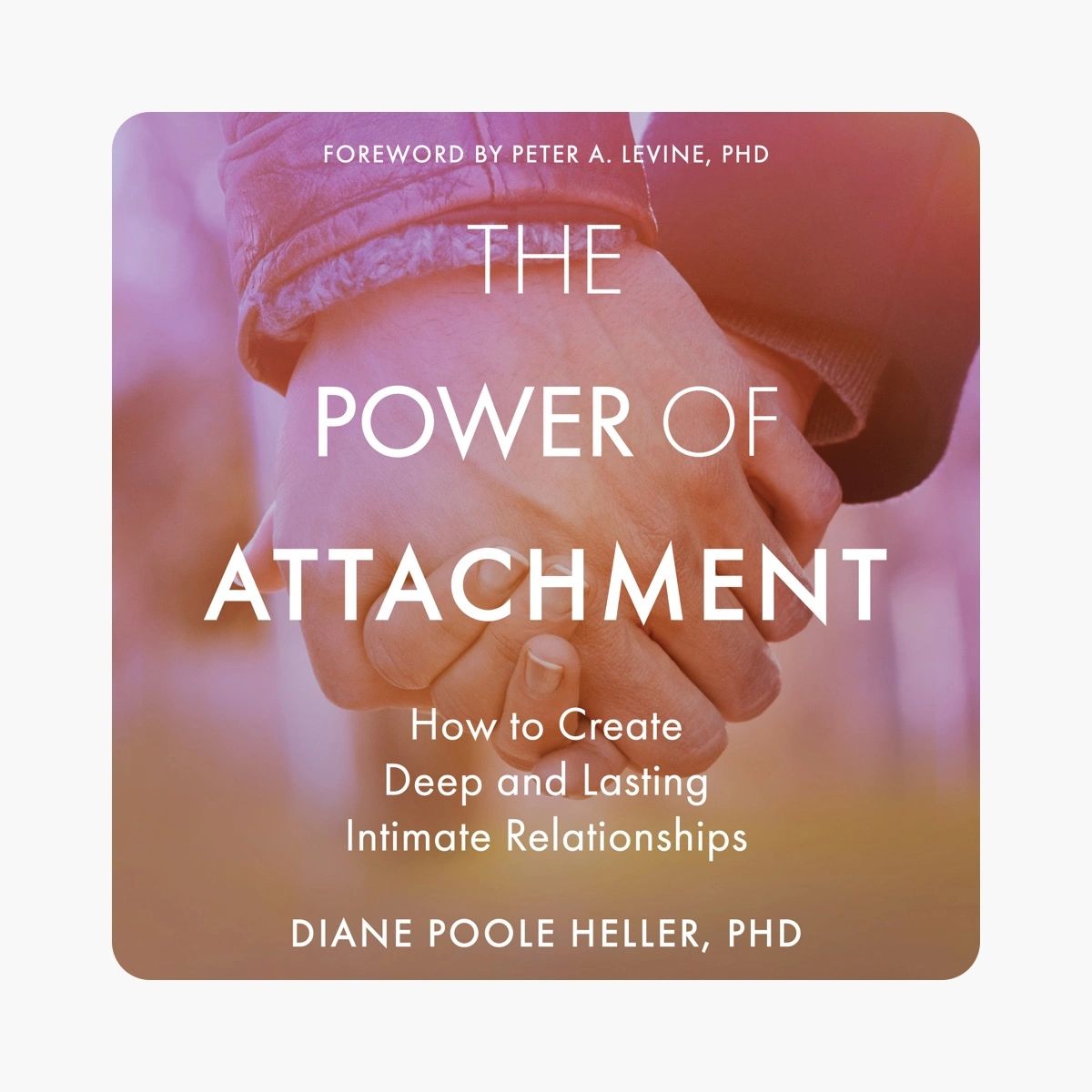
Chapter 1 of The Power of Attachment names secure attachment in practical, body-level ways—things we can feel and practice, even if we didn’t grow up with them:
- Protection: the sense that someone is watching over what matters.
- Presence & support: “I’m on your side.”
- Relaxation: you can let your guard down and be yourself.
- Trust: not blind trust—steady, discerning trust.
- Resilience: the ability to recover, reach for help, and return.
And the surprising grace in this chapter is that secure attachment doesn’t require perfection. It requires enough… plus the willingness to notice and mend when you miss each other.
That’s why I’m continuing this Wednesday series through The Power of Attachment chapter by chapter—slow, tender, and human. If you want to follow along, I encourage you to purchase the book and read with me week by week. Not as another self-improvement program… but as a relational re-learning.
Because healing often looks like this:
- learning to return instead of disappear
- learning to listen instead of defend
- learning to repair instead of perform
- learning to be with yourself the way you wish someone had been with you
Tiny Practice (30–60 seconds): Summon Secure (45 seconds)
- Put your feet on the floor. Feel support underneath you.
- Exhale slowly—twice.
- Picture one safe presence (a person, a pet, a mentor, even a memory).
- Let this sentence land: “I’m here. I care. I come back.”
- Notice one small body shift (jaw, shoulders, belly, breath).
That’s it. No forcing. Just contact.
Reflection Questions
- Where do I confuse “secure” with “perfect”?
- What does repair look like when I’m dysregulated—what helps me come back?
- Who (or what) has ever given me a felt sense of safety, support, or steadiness?
- What is one repair sentence I want to practice this week?
Secure isn’t a finish line.
It’s a rhythm: miss… mend… return.
About the Author
Kristi M. Estrada, LPC-S, NCC, SEP is a Licensed Professional Counselor–Supervisor and Somatic Experiencing® Practitioner based in Phoenix, Arizona. She specializes in trauma-informed care, adult attachment theory, and post-traumatic growth—helping clients navigate life’s most challenging seasons with compassion, clarity, and steadiness. Kristi believes healing is not about “fixing” what’s broken, but about honoring each person’s story, returning to the body’s wisdom, and building the capacity to live with greater peace and self-worth. Her work integrates nervous system regulation, somatic practices, and relational healing to create a safe, supportive space for transformation.
Connect: @healingservant.com
Educational/Reflection Disclaimer: This reflection is for educational and reflective purposes only and is not a substitute for therapy, medical care, diagnosis, or crisis support. If you feel overwhelmed or unsafe, please seek support from a qualified professional or local resources.