
Chapter 2: Avoidant Attachment: When Needing Didn’t Feel Safe
Some people don’t stop needing.
They stop asking.
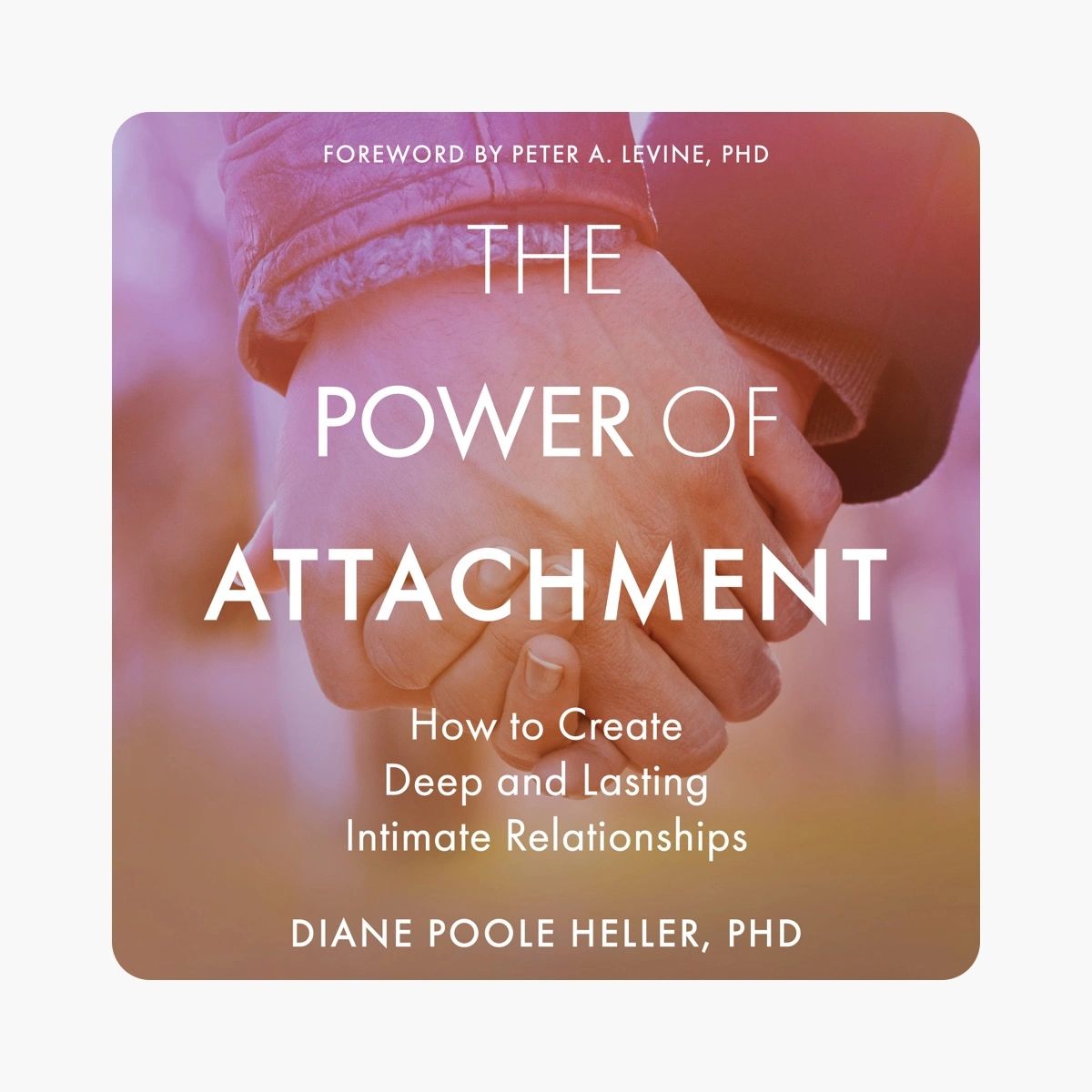
This week in our chapter-by-chapter Wednesday Reflection through The Power of Attachment (Chapter 2: Avoidant Attachment), we’re naming a pattern that often gets misunderstood.
Avoidant attachment is not “cold.”
It’s not “selfish.”
It’s not “incapable of love.”
It’s a nervous system that learned—very early—connection comes with a cost.
The tender logic underneath avoidant attachment
In Diane Poole Heller’s teaching, insecure attachment adaptations are not character flaws; they are what the brain and body do in response to adverse conditions.
Avoidant attachment specifically forms when caregivers are emotionally unavailable, rejecting, insensitive, or neglectful toward a child’s need for connection—and the attachment system copes by disconnecting (emotionally and physically).
That means, at some point, the body concluded something like:
- “If I don’t need much, I won’t be disappointed.”
- “If I stay small, I won’t be shamed.”
- “If I handle it myself, I’ll be safer.”
- “If I don’t feel it, it won’t hurt.”
Avoidant attachment is the strategy of self-containment: I will survive by becoming my own supply.
And here’s the part that breaks my heart in the most honest way:
Avoidantly attached people still desire love and intimacy… but they often experience deep discomfort expressing needs or asking for help.
So what looks like “distance” on the outside is often a protection around a very real longing on the inside.
What it can look like in adulthood
Avoidant attachment tends to show up as competence. It often hides in productivity. It can look like being “fine” and “low maintenance”—until closeness asks for something real.
Heller’s language (and the way Trauma Solutions describes it) names common adult patterns like: difficulty expressing needs, a preference to “just do it yourself,” dismissing emotions, sending mixed signals, finding fault in partners/relationships, or even sabotaging intimacy to avoid getting hurt.
But I want to say this clearly: These behaviors aren’t the whole person. They’re the protective layer.
Avoidant patterns are often fueled by one of the deepest fears a human can carry: “If I need you, I won’t survive what happens next.”
So the avoidant system learns to value independence not as a strength—but as a requirement.
The body cues of avoidant protection
Avoidant attachment isn’t just a relationship style. It’s embodied.
You might notice:
- a breath that stays high in the chest
- a jaw that tightens when emotion rises
- a quick pivot to logic, humor, task, or analysis
- an urge to “get space” the moment closeness increases
- a sense of shutdown or irritability when someone needs you
- a strong “I’m fine” while the body is quietly bracing
The avoidant nervous system often prefers control over contact—not because it’s controlling, but because contact once felt unpredictable or costly.
The hidden wound: trust
One of the most important lines to understand about avoidant attachment is that trust becomes the obstacle—not because the person doesn’t want closeness, but because closeness historically did not feel safe.
This is why avoidant attachment can feel confusing to partners and even to the avoidant person themselves.
Because they may genuinely want love… and simultaneously feel flooded by it.
They may crave connection… and then find themselves withdrawing.
They may care deeply… and not know how to show it without feeling exposed.
How healing actually happens
If avoidant attachment is a strategy of “I’ll handle it alone,” then healing is not forcing dependence.
Healing is restoring choice.
Heller’s work emphasizes something beautifully simple: healing happens with consistent messages that a person’s needs are important; steady, reliable presence supports safety and strengthens secure attachment skills.
This is where we have to slow down and get practical:
Avoidant healing does not happen through pressure.
It happens through consistency.
Not grand gestures. Not emotional demands.
But small, repeated experiences of:
- “I won’t punish your need.”
- “I won’t shame your feelings.”
- “I won’t chase you or disappear.”
- “I can stay steady—without controlling you.”
- “We can be close and have space.”
In other words: secure attachment is built through reliability + repair, over time.
A gentle word for the avoidant reader
If you resonate with avoidant patterns, please hear me:
Your independence may have saved you.
Your self-sufficiency may have kept you intact.
Your emotional distance may have been the only way you could stay connected at all.
You don’t have to hate that part of you to heal.
You can thank it… and begin to soften it.
Because you were never meant to carry everything alone.
And if you’re faith-spacious, this is one of the quiet invitations I see here:
What if grace is not something you earn by being strong?
What if grace is something that teaches you how to receive?
Tiny Practice (30–60 seconds): “One Percent Need”
- Put one hand on your chest or the back of your neck.
- Exhale slowly—twice.
- Whisper: “I don’t have to do this all alone.”
- Ask: “What is one 1% need I can name right now?”
(water, a pause, a kind word, a little help, less urgency, more space) - Choose one micro-step:
- name it to yourself, or
- share it with someone safe in one simple sentence.
No overexplaining. Just naming.
Reflection Questions
- What did I learn about needing when I was young—was it safe, welcomed, ignored, or punished?
- When closeness increases, what does my body do first (tighten, leave, distract, perform, shut down)?
- What support do I secretly long for—but struggle to ask for?
- What would “interdependence” look like for me in a 1% way this week?
If you’re following along with the book, we’ll keep walking—slowly, tenderly, and with respect for the ways we adapted.
About the Author
Kristi M. Estrada, LPC-S, NCC, SEP is a Licensed Professional Counselor–Supervisor and Somatic Experiencing® Practitioner based in Phoenix, Arizona. She specializes in trauma-informed care, adult attachment theory, and post-traumatic growth—helping clients navigate life’s most challenging seasons with compassion, clarity, and steadiness. Kristi believes healing is not about “fixing” what’s broken, but about honoring each person’s story, returning to the body’s wisdom, and building the capacity to live with greater peace and self-worth. Her work integrates nervous system regulation, somatic practices, and relational healing to create a safe, supportive space for transformation.
Connect: @healingservant.com
Educational/Reflection Disclaimer: This reflection is for educational and reflective purposes only and is not a substitute for therapy, medical care, diagnosis, or crisis support. If you feel overwhelmed or unsafe, please seek support from a qualified professional or local resources.